

Insights & News
Perspectives on Risk, Wealth & What Matters Most
Advisor guidance for private clients and business owners, alongside news from the firm.
Everything we publish now lives in one library: articles, market commentaries, firm news, and community stories. Filter by Insights or News, then browse what matters to you.
Featured Content Spotlight
Selected by Our Advisors
Every piece in this row was hand-picked, not auto-populated, because it addresses something our advisors are actively discussing with clients right now. Whether that's a timely market commentary, a new case study, or a deep-dive into a risk category affecting your family or your business, these are the perspectives worth your attention today.

Lithium-Ion Battery Handling & Storage
A best-practice guideline for preparing your facility or home for the safe use and storage of lithium-ion batteries and energy storage systems: how and why cells fail, the fast-shifting regulatory and liability landscape, and configuration-specific controls from a charging bench to a container-scale system.
A best-practice guideline for preparing your facility or home for the safe use and storage of batteries and energy storage systems.
The Growing Risk
Lithium-ion (Li-ion) and lithium-polymer (Li-Po) batteries now power nearly every corner of modern operations: cordless tools and equipment, material-handling fleets, electric vehicles, micro-mobility devices, and the large stationary energy storage systems (ESS) that stabilize power supply and support renewable generation. Their high energy density, long service life, and fast recharging have made them the default choice. Those same qualities, however, concentrate a great deal of energy into a small, chemically reactive package. When a Li-ion battery is defective, damaged, poorly stored, or improperly charged, it can fail violently, releasing intense heat, toxic gas, and a self-sustaining fire that conventional extinguishers struggle to control.
The scale of the exposure is growing with adoption. Since the start of 2025 alone, the U.S. Consumer Product Safety Commission has issued 46 recalls and safety warnings for consumer products powered by lithium-ion batteries, and several high-profile facility fires have reshaped how regulators, fire officials, and insurers view the hazard. For any organization that uses, charges, or stores these batteries in more than trivial quantities, the question is no longer whether to manage the risk, but how thoroughly.
This guideline is a practical roadmap for our clients. It explains how and why these batteries fail, summarizes the emerging legal and regulatory landscape, and lays out configuration-specific best practices for preparing your facility, from a handful of tool batteries on a charging bench to a container-scale energy storage system.
Understanding the Risk
How lithium-ion batteries fail: thermal runaway
Nearly every serious Li-ion incident traces back to a single phenomenon: thermal runaway. It begins when one cell generates more heat than it can dissipate, often because of an internal short from a manufacturing defect, physical damage such as a puncture or crush, overcharging, deep discharge, or exposure to excessive heat. As the cell heats, it ignites its own flammable electrolyte; that heat spreads to adjacent cells, which fail in turn, producing a self-reinforcing chain reaction. Because the reaction generates its own oxygen, these fires are difficult to extinguish, can reignite hours later, and react violently with water where lithium metal is present.
Critically, failure does not happen all at once. It escalates through recognizable stages, and the earlier the failure is detected, the more options remain to intervene.

Beyond fire: toxic and environmental exposure
Li-ion fires are not only a combustion hazard. Burning cells release highly toxic gases, including hydrogen fluoride (HF) and per- and polyfluoroalkyl substances (PFAS, the persistent “forever chemicals”), that can injure the eyes, skin, and respiratory system and require evacuation. Water used to fight a battery fire can become contaminated with heavy metals such as cobalt, nickel, copper, and manganese, creating a risk of soil and groundwater pollution if it is not contained. After the January 2025 Moss Landing energy storage fire in California, which destroyed roughly 55,000 battery modules, EPA soil sampling detected several of these heavy metals at levels exceeding screening standards in the surrounding area.
The emerging legal and regulatory landscape
The regulatory picture is shifting quickly, and it increasingly reaches organizations that merely handle batteries rather than manufacture them. In May 2023, the EPA advised that most lithium-ion batteries on the market today are likely to qualify as hazardous waste under the Resource Conservation and Recovery Act (RCRA) based on their ignitability and reactivity. The agency is now developing a dedicated “universal waste” category for lithium batteries, with a proposed rule anticipated in 2026 and a final rule expected in 2027. At the state level, Extended Producer Responsibility (EPR) programs are expanding. Illinois requirements took effect January 1, 2026, and California has enacted both stewardship-plan obligations (AB 2440) and a point-of-sale recycling fee (SB 1215). Meanwhile, some states impose stricter hazardous-waste thresholds than the federal baseline.
The liability exposure is equally significant. Under the federal Superfund statute (CERCLA), cleanup liability is strict, joint-and-several, and retroactive: facility owners and operators, parties that arrange for disposal or recycling, and transporters can all be named, and even sending a small volume of defective cells to a contaminated site can expose a company to a share of the full cleanup cost. Following Moss Landing, the operator entered a CERCLA settlement in July 2025 to fund a cleanup expected to take two or more years. Organizations once considered removed from battery operations, such as auto dealerships handling EV batteries or retailers managing consumer returns, can now trigger hazardous-waste obligations, and California penalties can reach tens of thousands of dollars per day, with criminal exposure for knowing violations.

Foundations: Selection, Inspection, and Built-In Safeguards
Buy quality; avoid counterfeits
The single most effective way to reduce battery risk is to keep defective cells out of your facility in the first place. Purchase tools, equipment, and batteries from reputable manufacturers whose products are certified to the applicable Underwriters Laboratories (UL) standards, and buy replacement batteries and chargers only from the original equipment manufacturer (OEM) or its authorized vendors. Counterfeit and aftermarket batteries frequently omit the internal safeguards that protect genuine cells and are a leading contributor to failures. Where your application allows, consider lithium iron phosphate (LFP / LiFePO₄) cells, a Li-ion chemistry known for greater thermal stability and lower susceptibility to thermal runaway.
Inspect on arrival and before every use
Establish a quality-control step so a designated employee inspects new batteries on delivery, and personnel check batteries before each use. Remove from service, and dispose of properly, any battery showing bulging or swelling; cracked, broken, or discolored casings; excessive heat during charging or use; hissing; leaking; or smoke or unusual odors. Multimeters and digital or infrared thermometers support periodic, documented health checks. Keep a Safety Data Sheet (SDS) on file for every battery on site; these drive correct storage, handling, and emergency response.
Rely on built-in protections, but not on them alone
Quality Li-ion batteries include layered safeguards: a separator that shuts down ion flow as temperature rises, a pressure-relief vent, thermal interrupts and fuses, overcharge and short-circuit protection, temperature sensors, cell balancing, and a Battery Management System (BMS) that monitors state of charge, temperature, and cell health and can disconnect the pack when it detects an anomaly. These features reduce risk but do not eliminate it; facility controls remain essential.
Preparing Your Facility by Configuration
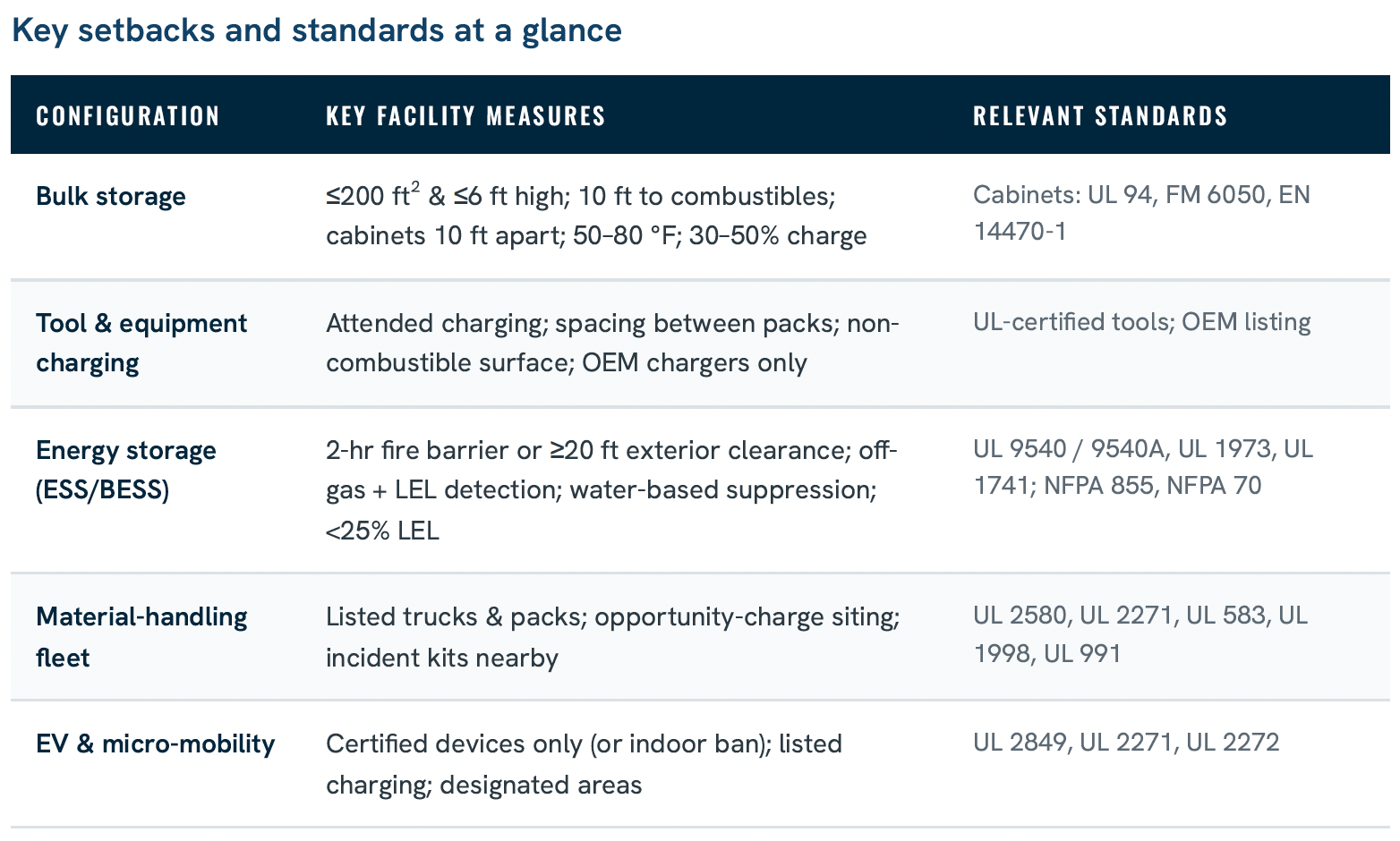
The right controls depend on how batteries are used and stored. The practices below address the configurations our clients most commonly operate; a summary of key setbacks and standards appears in the table at the end of this section.
General and bulk storage
- Designate a single, controlled storage location for all Li-ion and Li-Po batteries: well-ventilated, dry, free of combustible materials, out of direct sunlight, and held at a manufacturer-appropriate temperature, generally about 50–80 °F (10–27 °C).
- For longer-term storage, keep cells at roughly a 30–50% state of charge rather than fully charged, and store only the minimum quantity needed; batteries packed closely together raise the risk that one failing cell will cascade to its neighbors.
- For larger volumes, keep quantities in high-hazard sprinklered areas incidental, limiting the battery footprint to about 200 ft² (20 m²) and 6 ft (1.8 m) in height, with roughly 10 ft (3 m) of open space to other stock and combustibles. Even a single pallet of Li-ion batteries can spread fire quickly, so consider relocating bulk quantities outdoors, to a temperature-controlled container, or to a dedicated fire-rated cabinet.
- Purpose-built Li-ion cabinets should be non-combustible (steel), fire-rated (commonly 90–120 minutes, to standards such as UL 94, FM 6050, or EN 14470-1), ventilated, fitted with pressure-relief/explosion venting and spill containment, lockable, and clearly labeled (for example, “Lithium-Ion Battery Storage: Fire Risk”); space multiple cabinets about 10 ft (3 m) apart.
- Bulk warehouse storage warrants a fire-protection engineering review, as it often requires segregated areas, in-rack sprinklers, higher ceiling sprinkler densities, and a strong water supply. Keep an ABC or Class D extinguisher (per the SDS) in the storage area.
Charging stations for tools and equipment
Most tool-battery incidents occur during charging. To avoid this:
- Charge only with the manufacturer-specified charger for that battery; never mix chargers and batteries across brands or use aftermarket chargers, which can defeat built-in protections. Locate charging on a non-combustible surface, away from egress routes and combustible storage, with space maintained between charging batteries.
- Charge only while personnel are present; do not charge unattended or overnight. Remove batteries from the charger once charged, allow hot batteries to cool before charging, and use charging bags or fire-rated charging cabinets where practical.
- Post charging and storage instructions at the station.
Energy storage systems (ESS / BESS)
Stationary energy storage introduces the largest concentration of stored energy on many sites and warrants a design-led approach. New systems should be certified to UL 9540 (Energy Storage Systems and Equipment) and evaluated using the UL 9540A test method, which characterizes thermal-runaway fire propagation and informs required spacing, ventilation, and fire protection; battery units should be UL 1973-listed and inverters UL 1741-certified. Installations should follow NFPA 855 (Installation of Stationary Energy Storage Systems) and NFPA 70 (Article 706). For further continuity:
- Detection is the linchpin. Off-gas monitoring detects electrolyte vapor at the earliest stage and can initiate an automatic shutdown and alarm before smoke or fire, while lower-explosive-limit (LEL) gas detection should be interlocked with ventilation to keep any flammable atmosphere below 25% LEL.
- For suppression, note that clean-agent gas systems generally will not stop a thermal-runaway fire; water-based protection is preferred (a wet-pipe sprinkler system, or an open-head deluge with a fire-department connection for container installations), with sprinkler density designed to at least Extra Hazard Group 1.
- Site ESS in a non-combustible, locked enclosure separated from the rest of the building by a two-hour fire barrier, or outdoors; keep exterior containers at least 20 ft from buildings unless rated thermal barriers are provided, and ensure the room is externally accessible for manual firefighting.
- Round out the design with supervised smoke detection, temperature monitoring with high-temperature alarms, coolant-leak detection, seismic bracing where required, emergency power disconnects, and clear signage. Because ESS are network-connected, incorporate cybersecurity into the BMS and firmware, and commission larger or custom systems with a qualified agent under a formal operations-and-maintenance program with online condition monitoring.
Material-handling equipment (forklifts and pallet jacks)
Electric material-handling fleets increasingly use Li-ion packs with decentralized “opportunity charging” throughout the operation. System best practices for this equipment include:
- Specify batteries and trucks listed to the relevant standards: UL 2580 for Class 1 and 2 forklifts, UL 2271 or UL 2580 for Class 3 pallet jacks, with UL 583 for the trucks and UL 1998 / UL 991 covering safety software and controls.
- Site opportunity-charging points on non-combustible surfaces, away from combustible storage.
- Report any physical damage to a battery or its enclosure immediately, and keep incident-response kits (fire blankets, gloves, non-combustible containment drums, and appropriate suppression media) near the equipment.
Electric vehicles and micro-mobility
E-bikes, e-scooters, and hoverboards are a frequent source of facility fires, and many jurisdictions now regulate them; in New York City, for example, e-bikes must be certified to UL 2849. As such, it is recommended that a policy be adopted that outlines the following:
- Either ban personal devices indoors, or allow only certified ones (UL 2849 / 2271 / 2272).
- Charge EVs with listed equipment installed by a qualified electrician, away from exits.
Emergency Response and Incident Readiness
Even well-run facilities should plan for failure. Build a written emergency response plan around the principle that early action and fast evacuation save lives and property. It is heavily recommended that the local fire department be contacted and made aware of the type, configuration, and location of battery systems within your facility. Having their insight and input into the development of your emergency response plan is vital.
Detection and isolation. Train staff to recognize the early signs (unusual odor, discoloration, swelling, excessive heat, hissing, or smoke) and, only if it is safe to do so, to move a suspect battery away from combustibles into a fire-rated isolation container. Keep a pail of sand nearby as a smothering agent.
Small, incipient fires. Because battery fires emit toxic fumes, all untrained personnel should evacuate immediately. Only personnel specifically trained to fight small battery fires should attempt to do so, positioned between the fire and the nearest exit; if the extinguisher is ineffective, smoke becomes heavy, or the responder is at all uncomfortable, they should evacuate. If flames are subdued, submerge the battery in sand or douse with water as directed by the SDS; sand is the safer choice where lithium metal may be present.
Thermal runaway and large fires. No one should attempt to fight a thermal-runaway or large-scale fire. Activate the alarm, evacuate the building, and call emergency services, providing the battery type and size, the location, and any hazardous materials present, and hand the relevant SDS to responders when possible.
First aid. For eye or skin exposure, flush with water for at least 15 minutes and seek medical attention; move anyone exposed to fumes or smoke into fresh air and administer first aid or CPR as needed. Because effects can be delayed, exposed individuals should be evaluated by a medical professional.
Disposal and cleanup. Never place Li-ion batteries in general waste; route them to a certified recycler, and store damaged units awaiting pickup in a non-combustible container located about 25 ft (8 m) from occupied buildings. Provide containment or retention basins to capture contaminated firefighting water, consistent with the environmental exposures described earlier.
2026 Personal Insurance and Risk Management Trends in Private Client Services
A Comprehensive Analysis of Emerging Risks, Market Dynamics, and Strategic Solutions for High-Net-Worth Individuals The private client insurance landscape is experiencing unprecedented transformation driven by converging forces: escalating climate-related catastrophes, explosive cyber threats, nuclear verdict litigation trends, and the largest intergenerational wealth transfer in history.
A Comprehensive Analysis of Emerging Risks, Market Dynamics, and Strategic Solutions for High-Net-Worth Individuals
The private client insurance landscape is experiencing unprecedented transformation driven by converging forces: escalating climate-related catastrophes, explosive cyber threats, nuclear verdict litigation trends, and the largest intergenerational wealth transfer in history. As we enter 2026, high-net-worth (HNW) individuals and families face a fundamentally different risk environment than existed even five years ago.
Key findings include:
- Climate-driven property insurance costs rose 10.4% nationally in 2024, with catastrophe losses reaching $176 billion
- Personal cyber risk exposure exploded 3,000% for deepfake fraud, with average U.S. breach costs exceeding $10.22 million
- Nuclear verdicts ($10M+) median awards reached $23.8M in 2023, creating liability insurance crises
- Baby boomers control $19.7 trillion in real estate (41% of U.S. total), creating complex transfer challenges
- Protection gaps widened significantly, with only 47% of catastrophe losses insured in 2024
For private clients, their advisors, and family offices, 2026 demands proactive risk management strategies addressing these interconnected exposures while navigating an increasingly complex insurance marketplace.
The Evolving High-Net-Worth Risk Landscape
Baby boomers control $19.7 trillion in U.S. real estate—41% of total value despite representing only 20% of the population[1]. This concentration, combined with aging properties and intensifying climate risks, creates unprecedented insurance challenges.
High-net-worth individuals face converging exposures: multiple properties across catastrophe-prone regions, valuable collections requiring specialized coverage, elevated liability risks from social inflation, complex estate structures demanding policy coordination, and growing cyber vulnerability as digital wealth management expands.
The insurance protection gap has widened dramatically. In 2024, U.S. catastrophe economic losses reached $176 billion while insured losses totaled only $99 billion—a $77 billion protection gap[2]. For private clients, this reflects underinsurance from rapid property appreciation, coverage exclusions for flood and earth movement, policy sub-limits, increasing carrier restrictions in high-risk areas, and, in some cases, the choice to self-insure.
1. Climate Change and Property Insurance Crisis
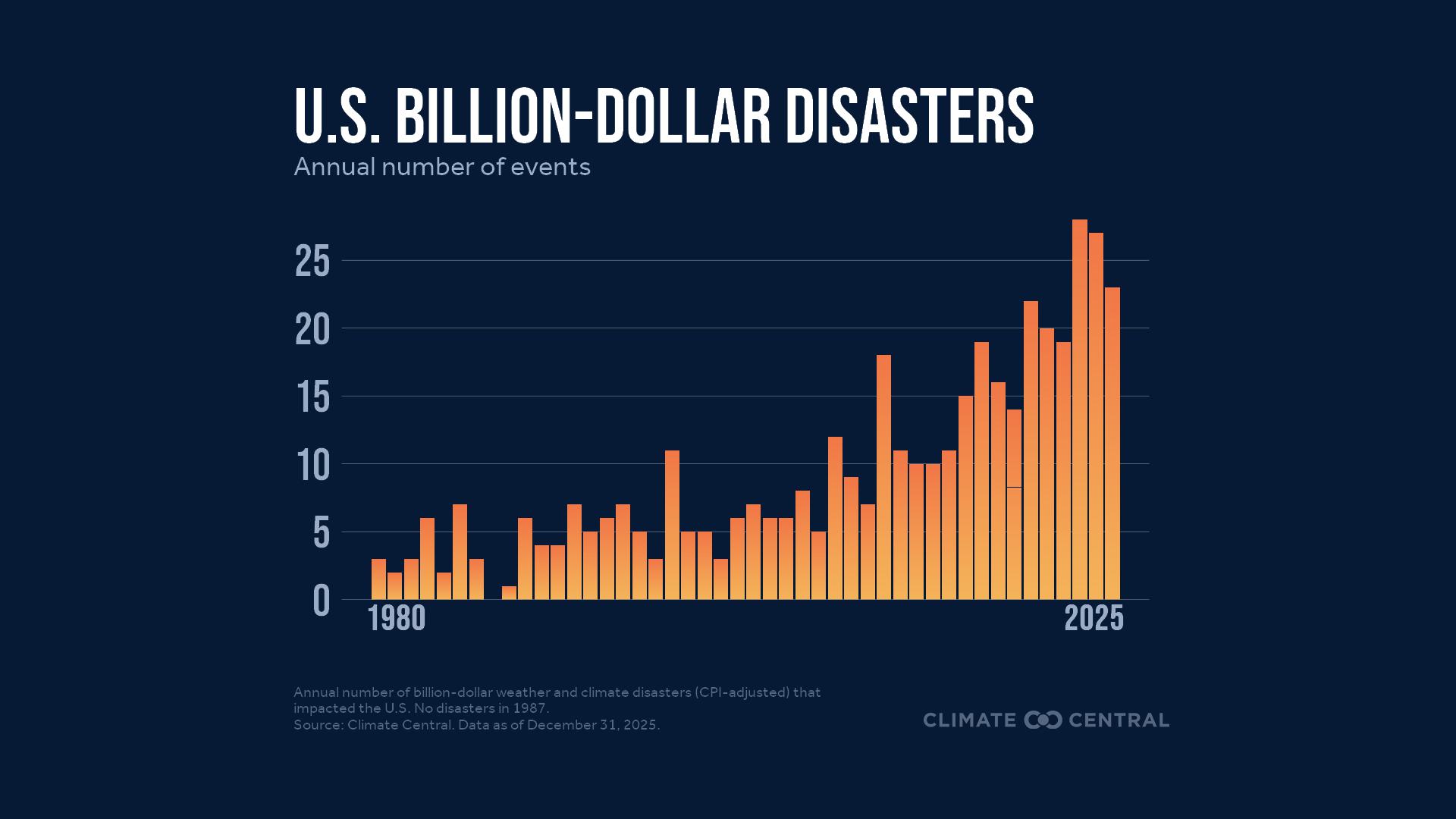
The year 2025 marked the fourth-warmest on record for the United States, with 27 weather disasters exceeding $1 billion in losses each[3]. Notable events included the Eaton and Palisades Fires destroying 18,000+ structures in Southern California, Texas Hill Country’s 1-in-1,000 year flood killing 135 people, and 1,559 tornado reports—fifth-highest on record[3].
Sea level rise has doubled from .06 inches to .14 inches annually, creating 3-9 times more frequent coastal flooding than 50 years ago[4]. Combined with accelerating drought (42.8% of U.S. affected per US Drought Monitor), these trends fundamentally reshape property insurability.[4]
Insurance Market Response:
Homeowners insurance rates increased 10.4% nationally in 2024, with six states exceeding 20%[5]. Major carriers withdrew from California, Florida, and Louisiana, forcing reliance on surplus lines (up 31.2% to $5 billion) and residual markets (up 6% to $10 billion)[5]. Carriers implemented percentage-based wind/hail deductibles, roof age restrictions, and tightened underwriting standards.
For HNW clients with multiple high-value properties, this creates acute challenges: limited carrier options, higher premiums, broader exclusions, and potential uninsurability in catastrophe-prone coastal and wildfire zones where many retirement properties are concentrated.
How to address:
Home Resiliency
- Prioritize loss‑prevention tools as these steps can improve insurance options and potentially reduce premiums:
- Water leak detection and automatic shutoff systems
Whole home backup generators
Annual or seasonal maintenance checklists to address minor issues before they become major
Coverage Options
Review your policy for exposures such as flood, earthquake, and sinkhole to determine whether adding these coverages makes sense based on where your home is located.
Acquisitions
- Consult your advisor before making an offer—especially for out of town or out of state home purchases. This helps you ask your realtor the right questions, improve insurability, manage long term costs and make educated buying decisions.
- Consolidating coverage with one carrier can enhance program efficiency, improve eligibility for better coverage, and ensure consistency across policies to prevent gaps or overlaps in coverage.
2. The Cyber Threat to Personal Wealth

Escalating Personal Cyber Threats
Ransomware Evolution
Ransomware was involved in 44% of all data breaches in 2024, with attacks shifting to “double extortion”—stealing personal financial records, tax returns, estate documents, and smart home data before encrypting systems and threatening public release[7].
The Deepfake Epidemic
AI-generated deepfakes exploded 3,000% in 2025, enabling unprecedented fraud targeting wealthy individuals[9]:
- Voice cloning of family members requesting urgent wire transfers
- Video impersonations of financial advisors authorizing transactions
- Synthetic identity creation for account takeovers
- AI-enhanced phishing with 54% success rates—quadruple traditional methods[10]
Shadow AI Risks
Household staff and family members using unauthorized AI tools (ChatGPT, Claude) for convenience create data leakage risks as personal information may be retained and exposed.
Cyber Risk Management Best Practices
Private clients should implement layered cyber defenses:
Technical Controls
- Multi-Factor Authentication (MFA): Strongly recommended for all financial accounts, email, cloud storage.
- Endpoint Detection & Response (EDR): Advanced antivirus/anti-malware on all devices
- Network Segmentation: Separate IoT/smart home devices from financial/personal computing
- VPN Usage: Virtual private networks for all remote/travel internet connections
Interactive Best Practices
- Wire Transfer Protocols: Verbal confirmation of all wire instructions via known phone numbers
- Email Authentication: Training to identify phishing, suspicious links, urgency-based manipulation
- Social Media Privacy: Limit disclosure of travel, property locations, purchases, family information
Coverage Coordination
- Review homeowners for any cyber coverage endorsements and what limits are available.
- Coordinate with any business cyber policies if working from home.
- Understand what is and isn’t covered.
3. Nuclear Verdicts and Liability Crisis

Nuclear verdicts—jury awards exceeding $10 million—have escalated dramatically. Analysis of 1,288 verdicts from 2013-2022 reveals median awards reaching $23.8 million in 2023 (up from $21.1 million), with mega verdicts ($100M+) increasing 400% since 2013[14].
Florida leads with 0.939 verdicts per 100,000 people—50% higher than New York. California, Florida, New York, and Texas produce half of all national nuclear verdicts[15]. State courts host 90% of verdicts versus only 10% in federal courts.
Critically, noneconomic damages (pain and suffering) drive verdict severity. In seven of ten years, noneconomic damages exceeded punitive damages, demonstrating susceptibility to psychological manipulation including “reptile theory” tactics, anchoring (suggesting arbitrary amounts that double to quadruple awards), and $1 billion in annual lawsuit advertising normalizing extreme awards[16][17][18].
Impacts on Private Clients
A 2025 Georgia jury awarded $4.2 million for a dog attack—far exceeding typical homeowners policy sub-limits of $100,000-500,000[19].
Making sure you have an appropriate umbrella limit is paramount. This limit of coverage is meant to be a moving target that is adjusted as your lifestyle evolves. Have a conversation with your advisor to discuss any significant changes in your net worth and/or public profile. Higher limits are available and we’re here to help.
4. Intergenerational Wealth Transfer Challenges

Baby boomers control $19.7 trillion in real estate, with the boomer population projected to decline 23% by 2035 and another 47% by 2045—transferring enormous holdings to millennial and Gen X heirs[21][22]. However, nearly 40% have lived in current homes 20+ years, with 68% in homes at least 30 years old[23]. Deferred maintenance—aging roofs, HVAC systems, electrical, and plumbing—often requires $50,000-$200,000+ in immediate upgrades inheritors lack funds to complete.
Insurance Complications
When aging parents move to assisted living, standard homeowners policies limit vacant property coverage to 30-60 days, requiring vacant home endorsements (30-50% higher premiums), regular inspections, winterization, and security monitoring. Failure to maintain proper coverage results in claim denials for theft, vandalism, or weather damage.
Post-inheritance, carriers increasingly restrict coverage on older homes through roof age limitations (declining roofs over 15-20 years), four-point inspections, wind mitigation requirements, and wiring restrictions. Inheritors may discover properties uninsurable without significant investment.
Multiple heirs create additional complications: disagreement on disposition, unequal contribution ability, mortgage difficulties, and liability exposure when one heir is judgment-proof while another has assets.
Many boomers retired to Sunbelt locations—Florida, California, Texas, Louisiana, Arizona—now facing acute climate risks. Millennial inheritors discover properties in locations they don’t want with deteriorating insurance availability. [26].
Avoiding Underinsurance (and Overinsurance)
- Choose carriers that use in home appraisals, apply annual inflation guards, and offer guaranteed or extended replacement cost. These protections help maintain proper insurance to value.
- If you haven’t appraised your fine art, jewelry, or collectibles in 3–5 years, schedule an updated review. Rising precious metal values mean some items may now be underinsured, while others may not require as much coverage and should be reduced which would provide a premium savings.
Asset Transfer Guidance
- Speak with your advisor before transferring assets to ensure proper risk management and insurance planning.
- Advisors can help prepare the next generation with education, loss prevention strategies, and insurance guidance.
- Homes: Discuss improvements that enhance home resiliency and insurability.
- Jewelry, fine art, wine/spirits: Review loss likelihood and proper insurance and risk management approaches.
- Middle market carriers often won’t insure high value items, or, in some cases, charge more for inadequate coverage.
- Asset transfers often indicate that the next generation needs a more sophisticated, high net worth insurance program.
- Working with a private client insurance advisor ensures proper coverage, carrier selection, and expert guidance.
2026 Market Outlook
The private client insurance landscape of 2026 is characterized by converging mega-trends which interact and compound and the need to adjust accordingly is evident.
Property insurance faces continued volatility with national average increases projected 8-12% for homeowners, and 15-25% on average in catastrophe-prone states (FL, CA, TX, LA).
Percentage-based wind/hail deductibles expand beyond coastal zones, roof age limitations tighten to 15-year maximums, and carriers reduce willingness to write vacant or secondary homes. However, reinsurance rates declined 6.6% at January 2025 renewals, bringing modest relief.
Personal cyber policies are becoming a standard need for all clients, with limits increasing in response to the increasing risk.
Umbrella/excess liability premium increases moderate to 5-10% in 2026 after prior 15-30% spikes. There is additional underwriting scrutiny on driver records, property maintenance, dog breeds, and water features.
Conclusion
As the private client insurance environment undergoes rapid and profound change, high net worth individuals face a level of complexity and exposure unlike any previous era.
Climate driven property volatility, surging cyber threats, escalating liability awards, and the massive transfer of aging assets across generations are reshaping both risk and insurability.
In this landscape, protection gaps widen quickly, traditional carriers offer fewer solutions, and the costs of inaction grow exponentially. The path forward requires proactive planning—strengthening property resiliency, modernizing cyber defenses, securing adequate liability protection, and preparing heirs with the right education and insurance structures.
By partnering with skilled private client advisors and adopting a coordinated risk management strategy, families can safeguard wealth, maintain insurability, and navigate the evolving challenges of 2026 and beyond with confidence.
We invite you to reach out with any questions as we’re here to provide recommendations, information and guidance.
Interested in learning more? Check out our Insights page for other relevant education topics.
References
[1] Redfin analysis (2025). Baby boomer real estate holdings. Business Insider.
[2] National Association of Insurance Commissioners. (2025). Natural Catastrophe Risk Dashboard Report, December 31, 2024.
[3] National Centers for Environmental Information (NCEI). (2025). Assessing the U.S. Temperature and Precipitation Analysis in 2025. NOAA.
[4] NOAA Climate.gov. (2025). Sea level change data. National Oceanic and Atmospheric Administration.
Climate Change: Global Sea Level | NOAA Climate.gov
Monthly Climate Reports | Drought Report | December 2025 | National Centers for Environmental Information (NCEI)
[5] National Association of Insurance Commissioners. (2025). Homeowners loss ratio and P&C combined ratio data. Natural Catastrophe Risk Dashboard Report. Natural Catastrophe Risk Dashboard Report.pdf
[6] Khalil, M. (2025, December 3). Cyber Insurance Statistics 2025: Key Trends & Data. DeepStrike. https://deepstrike.io/blog/cyber-insurance-statistics-2025
[7] Khalil, M. (2025). Ransomware involvement in data breaches. Cyber Insurance Statistics 2025. DeepStrike.
[8] Khalil, M. (2025). Ransom demand and payment dynamics. Cyber Insurance Statistics 2025. DeepStrike.
[9] Khalil, M. (2025). Deepfake fraud statistics. Cyber Insurance Statistics 2025. DeepStrike.
[10] Khalil, M. (2025). AI-enhanced phishing success rates. Cyber Insurance Statistics 2025. DeepStrike.
[11] Khalil, M. (2025). Business email compromise claim statistics. Cyber Insurance Statistics 2025. DeepStrike.
[12] IBM Security. (2025). Cost of a Data Breach Report 2025. Cited in DeepStrike Cyber Insurance Statistics 2025.
[13] IBM Security. (2025). AI and automation impact on breach costs. Cost of a Data Breach Report 2025.
[14] Silverman, C., & Appel, C. E. (2024, May). Nuclear Verdicts: An Update on Trends, Causes, and Solutions. U.S. Chamber of Commerce Institute for Legal Reform.
[15] Silverman, C., & Appel, C. E. (2024). Top states for nuclear verdicts analysis. Nuclear Verdicts Report. Institute for Legal Reform.
[16] Silverman, C., & Appel, C. E. (2024). Economic vs. noneconomic damage composition. Nuclear Verdicts Report. Institute for Legal Reform.
[17] Silverman, C., & Appel, C. E. (2024). Anchoring tactics driving nuclear verdicts. Nuclear Verdicts Report. Institute for Legal Reform.
[18] Silverman, C., & Appel, C. E. (2024). Lawsuit advertising impact on verdicts. Nuclear Verdicts Report. Institute for Legal Reform.
[19] PropertyCasualty360. (2025, April 16). Georgia jury awards elderly woman $4.2M for dog attack. https://www.propertycasualty360.com/2025/04/16/georgia-jury-awards-elderly-woman-42m-for-dog-attack/
[20] TransRe. (2024). Medical malpractice verdict analysis. Cited in Institute for Legal Reform Nuclear Verdicts Report.
[21] National Association of Realtors. (2024). Baby boomer real estate ownership analysis. Business Insider.
[22] Harvard Joint Center for Housing Studies. (2024). Baby boomer population decline projections 2025-2045. Business Insider.
[23] Leaf Home & Morning Consult. (2024). Survey of 1,000 baby boomers on home age and maintenance. Business Insider.
[24] Metz, J. (2025). California property tax implications of inheritance. Senior Homeowner Solutions. Business Insider.
[25] Yahoo Finance. (2025). State Farm refused to cover Florida man’s repairs on his Porsche—why the courts are now involved. https://finance.yahoo.com/news/state-farm-refused-cover-florida-095800478.html
[26] Fairweather, D. (2025). Chief Economist commentary on inherited property challenges. Redfin. Business Insider. Boomers are leaving their millennial Children with a huge headache — James Morris Homes
[27] S&P Global Ratings. (2024). Cyber insurance market outlook: Premiums projected to reach US$23 billion by 2026 amid stable industry conditions. Industrial Cyber.

Why you deserve more than a 1-800 number
Why successful and high net worth individuals and families deserve more than a 1-800 number. You’re busy. You juggle multiple calendars. You run a business (or two). You travel (a lot). You have a booked schedule with patients in your waiting room.
Why successful and high net worth individuals and families deserve more than a 1-800 number.
You’re busy. You juggle multiple calendars. You run a business (or two). You travel (a lot). You have a booked schedule with patients in your waiting room.
You have your wealth manager, estate planning attorney, and/or your accountant all in your contact list and know them on a first name basis so you can get quick and to-the-point answers. Shouldn’t your risk management and insurance team be the same?
You deserve an insurance advisor you can actually call.
Request a confidential consultation with a Simpson | McCrady advisor to discuss your current coverage and risk exposures.
Click Here and Request a Consultation
In an evolving agent and advisory landscape, it is becoming more frequent that we have someone come to us describing their previous agency experience with a degradation of service over the years or, in some cases, a complete lack thereof. They’re given a 1-800 number to make policy changes or to call when something goes wrong and they need to file a claim. The agent can’t provide the increased liability limits that they need to protect their net worth or identity and cyber options to protect against an attack. They can’t help with the new secondary home out of state, high end vehicles, growing fine art collection, or provide proper guidance on the increased risks of an in ground pool, in home domestic staff, snow mobiles, ATVs or high performance watercrafts. They lack the sophistication to handle complex risks.
“I don’t even know who my agent is.” This is a phrase we hear more often than not when we speak to someone looking for a change and looking for a better experience.
If your current insurance experience feels impersonal or transactional, it may be time for a different approach.
Schedule a Private a Consultation
We are a boutique firm that specializes in helping successful families and individuals prepare for the “what if’s” in life. We help during stressful times when something goes wrong and guidance or a helping hand is needed. We are a fiercely independent agency that benefits from being small and nimble to pivot and adapt to our client’s needs as they evolve. There is no 1-800 number with us.
At Simpson | McCrady, every client works directly with a dedicated advisory team — not a call center.
Speak with a Trusted Advisor
We represent multiple high net worth and affluent insurance companies so our clients know that they’re getting what’s best for their unique situation and a risk management plan to buffer them from what can be avoided or mitigated up front.
Every client that we serve has a dedicated team in house. We assist with the day to day things like purchasing or selling a vehicle, a new piece of jewelry or piece of artwork. We also assist with more complex discussions like a significant fire loss or automobile accident, artwork or collector vehicles in transit internationally, the purchase of a secondary home in a different state or a significant home renovation. We also address the different risk management discussions that should take place around these topics, the excitement (and anxiety) about a daughter or son getting their driver’s license or heading off to college and what the parents can do to protect them, the unfortunate event of a divorce, or a death in the family and assets that are being transferred to the next generation.
Complex lives require thoughtful risk planning.
Request a Risk & Coverage Review
Our team members are constantly seeking ways to better equip themselves for these evolving conversations with continuing education and earning additional specialty designations. We have numerous team members holding designations for CISR, CIC, CPRIA and CAPI, to name a few, and the list is still growing. Our office is also a proud member of the Private Risk Management Association (PRMA) which is recognized as the forum and voice of the high net-worth private risk and insurance management niche.
If your current insurance relationship feels impersonal — or you’re unsure whether your coverage truly reflects your lifestyle and assets — our advisors are here to help.
If you believe you need a step up from the norm, reach out to discuss our process and how we help clients protect tomorrow, today.
Request a Private Consultation,
call us directly at 412-261-2222, or email us at info@simpson-mccrady.com.
For more resources and information about Simpson | McCrady, check out our Facebook and LinkedIn pages.
Filter and Browse
Find What's Relevant to You
Everything the firm publishes lives here. Start with Insights for advisor guidance on risk and coverage, or News for what our team has been doing across Western PA, then browse by what matters to you.

Navigating the High-Net-Worth Landscape in 2024: A Comprehensive Approach to Personal Insurance and Risk Management in a Dynamic Environment
Last year posed many challenges in our market and many of those factors continue to flow into 2024. While there are signs of light at the end of the tunnel for this hard market, we still see challenges ahead before we make our way out.
Last year posed many challenges in our market and many of those factors continue to flow into 2024. While there are signs of light at the end of the tunnel for this hard market, we still see challenges ahead before we make our way out.
This review outlines what we’re seeing in our market space, so you have a more comprehensive understanding of each trend. We’ll also equip you with actionable steps to take to optimize your insurance programs and mitigate potential risks. We will make sure to cover the following market impact topics:
• Social inflation and nuclear jury verdicts
• Climate change and catastrophic weather events across the US and the rise in reinsurance costs
• Non-weather water-related plumbing losses
• The increasing cost of labor and building materials and continued supply chain issues
• A shift in how our clients are spending their money including increased investments in home renovations and additions and diversifying collectible assets such as jewelry, fine art, collectibles, and wine and spirits
• Check washing and what to do about it.
Out of all of this, it is important to highlight the growing value of comprehensive risk management strategies for high-net-worth individuals. With increasing wealth comes a greater need for protection against potential risks and liabilities. We are here to offer professional advice to identify and mitigate potential risks and offer tailored insurance policies to address these concerns.
Exposure: Nuclear Jury Verdicts
In a recent wealth report conducted by Chubb, 92% of those surveyed are concerned about the size of a verdict against them if they were a defendant in a liability case which can have profound implications for high-net-worth individuals yet only 36% have umbrella or excess liability coverage. Tailoring liability coverage to address potential legal ramifications is crucial in mitigating this risk.
What to do:
An excess liability or umbrella policy limit is meant to adjust as your lifestyle changes. Liability limits should be reviewed frequently to make sure that an adequate limit is in place. This is a crucial risk transfer tool that can help to protect your net worth and future earnings. The cost is generally nominal for what you get in return. Given the increase in nuclear jury verdicts, now is the time to review.
If you serve on any not-for-profit boards or host events at your property, let’s discuss to make sure proper insurance is in place and we can discuss best risk management practices in these scenarios.

Exposure: Climate Change and the Rise of Reinsurance Costs
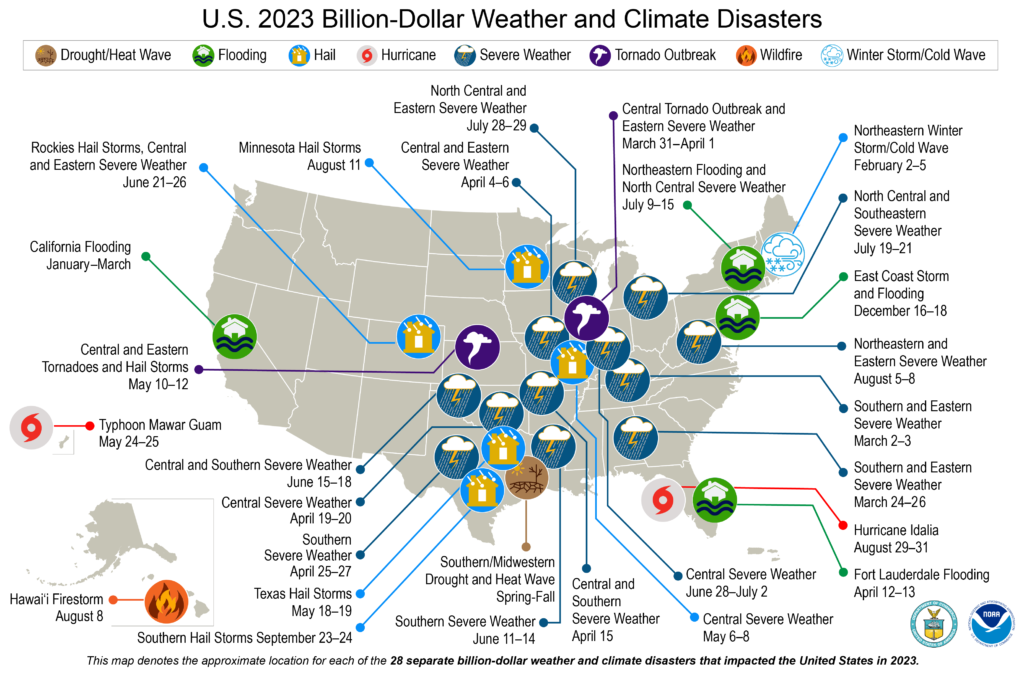
High-net-worth individuals are not immune to the increasing frequency and severity of catastrophic weather events. From wildfires to severe weather, these events pose a significant threat to property and assets. Understanding regional risks and tailoring insurance coverage accordingly is vital. It’s not just about hurricanes along the coast or wildfires in California. Tornadoes are touching down in areas that they historically have not, where it rains, it can flood, and wildfires are happening across the country.
These catastrophic events are impacting the reinsurance market causing higher premiums which, in turn, impact the need for rate for the insurers.
What to do:
Make sure you’re leveraging the rest of your personal insurance policies with one carrier to see if you can obtain more advantageous terms and take proactive measures to make your homes more resilient:
For wildfire:
Have an annual contract with landscapers and arborists to make sure that trees are trimmed back from your home and that your property is well groomed from dry native brush. Keep combustible materials away from the structures. For those in extreme high brush areas, there are many additional proactive measures that we can address so please give us a call to have a more in-depth discussion.

For hurricane prone areas:
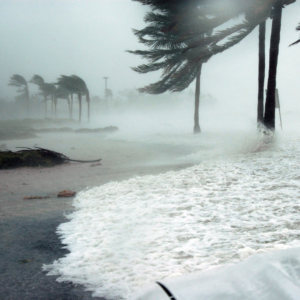
If you don’t have hurricane shutters or hurricane impact rated windows, doors, and garage doors, consider these updates as they can make your home more hurricane resilient but also provide credits on your home policy with wind coverage or open additional coverage opportunities. If it’s time for a roof replacement, talk to your advisor and contractor about what it would take to bring the roof up to code and what new features are available.
If you have a lender on your home and you have homes elsewhere in lesser catastrophic prone areas, discuss what your lending options are. If it fits within your financial plan, paying off the loan on your coastal property can have its advantages if it makes sense to self-insure the wind and/or flood exposures. These should be discussed in detail as not having coverage for these exposures should there be a hurricane and significant damage to your property could result in significant out of pocket expenses but can provide premium savings on your insurance portfolio.
Severe convective storms:
These are happening across the country and causing wind and water damage. Flooding can happen anywhere, and you do not need to be in a high flood zone to experience severe water damage to your home. If construction and/or developments have been built around your home recently or there is a lot of concrete near your home, water can accumulate quickly with nowhere to go.
What to do:
Review your flood insurance options. This is not automatically covered by your homeowners policy. It can either be added as an endorsement or written as a separate policy.

Exposure: Non-Weather Water-Related Home Losses
Water damage from non-weather-related incidents, such as a leaking pipe, a frozen burst pipe or appliance malfunctions, has become a prevalent trend for homeowners, including high-net-worth individuals. This type of water damage ranks as the second most prevalent cause of insurance claims. These incidents can result in substantial financial losses pushing clients out of their homes for extended periods of time while repairs and renovations are completed.
What to do:
We strongly recommend installation of a water leak detection shutoff device. This device is installed at the main plumbing valve in your home and/or guest house and monitors the flow of water coming into the building. If it notices an abnormal flow of water that would suggest a slow leak or a burst pipe, it shuts off the main plumbing supply line and sends an alert to your phone so you can locate the cause of the issue and alert a plumber that a repair or review is needed. By shutting off the water, it can give you peace of mind while you are on vacation or out for dinner and prevent severe water damage where you would have to move out of your home while repairs are being made. Unplanned renovations can seem like a whole other full-time job and can be very disruptive to your regular day-to-day and preventing this is priceless.
If you think you have a loss, please call us so we can discuss it. Accidents happen and we can help to expedite the claims handling process if it needs to be turned in and talk to you about next steps on immediate action items and what vendors to consider if you’re unsure who to call first.

Exposure: Underinsurance Caused by Inflation, Cost of Labor, and Supply Chain Issues for Building Materials
Inflation, coupled with escalating costs of labor and building materials, directly impacts property replacement values and can leave clients underinsured, in some cases, in the cost of repairs if a claim occurs, and the time needed to make those repairs. In addition, a home under construction faces increased risks that should be addressed including increased liability exposures with more foot traffic on your property and a higher likelihood of loss while contractors are updating plumbing or using flammable materials.
What to do:
If you are thinking about or recently completed renovations or an addition to your home, it is important to ensure your coverage adequately reflects the current replacement cost to avoid underinsurance. Open communication with your advisor can aid in maintaining accurate coverage. Talking with your advisor about renovations before they happen can also better prepare you for the increase in exposures and ensure that you’re fully covered while the work is being completed. Insurance contracts have varying language addressing undisclosed renovations and how that may impact a payout should there be a loss.
If you’re seeing an increase in premium from increased coverage limits and rate increases, consider higher deductibles if you have a higher tolerance for self-insurance on the smaller losses. Let the insurance policies help to protect you from more severe, large losses that could be a financial burden.

Exposure: Diversification of collectible assets without updates to valuable article policies
We are seeing a shift in how our clients, including those with a high net worth, are spending their money and we are seeing many diversifying their collectible assets such as jewelry, fine art, collectibles, and wine and spirits. All homeowner policies have a cap and limitation on higher valued items such as jewelry, firearms, and other valuable articles and they are also subject to the homeowners deductible.
What to do:
If you’ve made sales and/or purchases, please discuss with your advisor to make sure your policy is up to date. Adding or adjusting a valuable articles policy to your specific needs is a relatively quick adjustment and can be done at any time during the policy period on a prorated basis.
Make sure your appraisals are up to date. If your jewelry, fine art, or other collectibles haven’t been reviewed in the last five years, it may be overdue. If increased values are warranted, we can send the appraisals over to the company to increase.

Exposure: Check washing
We are seeing an increased number of check washing incidents. What do we mean by check washing? It’s when a thief steals your written check from the mail, washes the payee and, also, possibly, the dollar amount on the completed check and changes it to be written out to someone else aside from who it was intended for. You find out because you checked your bank account and find that it was deposited but went to the wrong person.
What to do:
Here are a few tips on how to avoid this:
• Pay your bills online.
• Check washing and what we need to do about it.
• Don’t leave mail in your mailbox; drop it off directly at the post office or place it in your mailbox right before your mail person comes.
• Use a blue or black non-erasable gel pen as these may have ink that makes it harder for the thief to wash out and replace.
• Check your bank account frequently for suspicious or fraudulent withdrawals.
• Contact your bank immediately.
Summary:
All of these exposures have impacted the insurance industry by constricting capacity, causing rate inadequacy for the insurance carriers and stricter guidelines on when, where, and how they are offering terms. As a high-net-worth individual, It is paramount now more than ever to have a knowledgeable advisor helping you navigate through all of this and to adjust where necessary. If you have questions on any of these and want to talk about anything in more detail, let’s chat! We love hearing from our clients and can make necessary adjustments, where needed.
Heat Wave – Heat Illness Prevention
Whether your a personal or business client, we’re here to provide risk management tools to help keep you, your family, and colleagues safe. Heat-related illnesses can be severe, but they are preventable with the right strategies.
Whether your a personal or business client, we’re here to provide risk management tools to help keep you, your family, and colleagues safe.
Heat-related illnesses can be severe, but they are preventable with the right strategies. Ensure that all individuals stay hydrated by drinking plenty of water throughout the day and taking regular breaks in shaded or air-conditioned areas. Encourage the use of lightweight, light-colored, and loose-fitting clothing to help maintain a cooler body temperature.
Additionally, be vigilant for signs of heat exhaustion and heat stroke, such as dizziness, nausea, excessive sweating, and confusion. Implement a buddy system to monitor each other’s well-being, and never leave children or pets in parked vehicles. Reference the attached resources and posters for a more in depth review of heat illness preparedness and prevention strategies.
By taking these proactive measures, we can significantly reduce the risk of heat-related illnesses and ensure a safe and enjoyable summer for everyone.
We’ve pulled together resources for you with helpful tips and resources:
- Tips to beat the heat
- Heat Illness prevention at work
- OSHA Heat Hazard Alerts
- Who, what, when, where and why behind heat alerts
Any questions, please reach out!

Simpson | McCrady featured in February Stroll Magazine
Stroll Magazine featured our very own Simpson | McCrady team for their February edition. Hear from Partners Chris & Clay, and Director of Private Client Services, on the founding of Simpson & McCrady, our strategy, and how we can help you identify and protect what is most important.
Stroll Magazine featured our very own Simpson | McCrady team for their February edition. Hear from Partners Chris & Clay, and Director of Private Client Services, on the founding of Simpson & McCrady, our strategy, and how we can help you identify and protect what is most important.

Risk Management Tips
There are many factors that go into how we advise our clients and risk management is at the forefront.
There are many factors that go into how we advise our clients and risk management is at the forefront. If we can help to prevent something from happening in the first place, it’s worth the conversation so you can avoid the headache of having contractors in your home making repairs and inconveniencing your day to day when it wasn’t planned. We want to ensure that you have the necessary tools and knowledge to protect your valuable assets. Some claims are simply accidents and are unavoidable. Check out some risk management tips from our Director of Private Client Services and how she put some of them into action after her family experienced a significant house fire. In addition, we’re listing an overview of top risk management tips that you can implement to safeguard your property and belongings.
Water Leak Detection Shutoff Device
Installing a water leak detection shutoff device can help you detect and prevent potential water damage. This device automatically shuts off the water supply when a leak is detected, minimizing the risk of costly repairs.
Central Station Burglar and Fire Alarms
Investing in a central station burglar and fire alarm system provides round-the-clock monitoring and immediate response in case of emergencies. This added layer of security can significantly reduce the risk of theft and fire damage.
Steel Braided Hoses and Metal Couplings
Upgrading your washing machine and toilet hoses to steel braided ones with metal couplings can prevent water leaks and potential flooding. These durable hoses are less prone to wear and tear, offering enhanced protection.
Backup Generator
A backup generator can be a lifesaver during power outages. It ensures that essential appliances and systems, such as refrigeration, heating, and medical equipment, continue to function, minimizing disruptions and potential damages.
Annual Home Checklists
Regular home maintenance is crucial for risk management. We recommend following a comprehensive annual home checklist that includes tasks such as inspecting the roof, cleaning gutters, testing smoke detectors, and checking for any potential hazards.
By implementing these risk management tactics, you can significantly reduce the likelihood of accidents, damages, and losses. Remember, prevention is key when it comes to protecting your home and belongings.
If you have any questions or need further assistance, please don’t hesitate to reach out to our dedicated team. We are here to help you make informed decisions and ensure that you have the right coverage for your needs.
Thankful!
From our family to yours, thank you! 2023 was a rollercoaster but one constant throughout it all is our gratitude for our employees, our clients and our community. We closed out the year with our annual Christmas party filled with singing carols, a delicious lunch and the best of company.
From our family to yours, thank you! 2023 was a rollercoaster but one constant throughout it all is our gratitude for our employees, our clients and our community. We closed out the year with our annual Christmas party filled with singing carols, a delicious lunch and the best of company. Cheers to 2024 and all that is ahead.
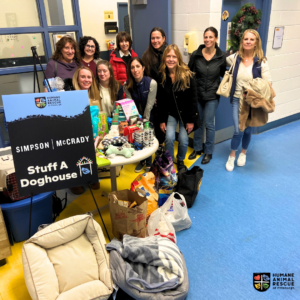
Simpson | McCrady Stuffs a Doghouse with the Humane Animal Rescue of Pittsburgh
Visiting our local four-legged friends was a great way to spend the late afternoon! Our office collected some of the high priority needs for the Humane Animal Rescue’s Stuff A Doghouse project. We were able to meet with some very sweet candidates that are looking for new homes.
Visiting our local four-legged friends was a great way to spend the late afternoon! Our office collected some of the high priority needs for the Humane Animal Rescue’s Stuff A Doghouse project. We were able to meet with some very sweet candidates that are looking for new homes. If you’re thinking of adopting, make a call so you can stop by for a visit. They’d be happy additions under the Christmas tree!
Browse by Audience
Find the Insights Built for You

Private Client Insights
Complex personal insurance deserves clear, specific guidance, not a generic overview. Our private client resources cover fine art, jewelry, multiple properties, recreational vehicles, cyber liability, and the full range of coverage considerations for high-net-worth families and family offices. Written by advisors who work in this space daily, with the depth our clients tell us they don't find anywhere else.

Commercial Insights
Risk and benefits intelligence written for business owners and decision-makers, not for a general audience. From technology and manufacturing to professional services and non-profits, our commercial resources address the insurance and risk challenges facing middle-market companies across Western PA and the Mid-Atlantic region, grounded in the industries we actually serve.
Explore More Resources
Ready to Go Deeper?
An article is where understanding starts. Our case studies show how we've protected real clients (families and businesses who faced specific, consequential risks), and our advisor profiles put a name, background, and specialty behind every perspective you've read here. When you're ready to talk through your own situation, the path forward is direct.

The People
Meet the Advisors Behind the Guidance
Named advisors, not call centers. See who wrote the perspectives in this library and what each of them specializes in.

The Proof
Read Our Client Case Studies
Real families and businesses, specific consequential risks, and the outcomes our advocacy produced.

The Services
Explore the Practices Behind the Perspectives
Two practices, one standard of counsel, for your family's assets or your company's operations.